Vapor Intrusion in Property Due Diligence
October 2026 · 5 min read
What vapor intrusion is
Some contaminants in soil and groundwater give off vapors. Those vapors can move through the ground and enter a building through cracks in the foundation, floor drains, sumps and gaps around utility lines. This is called vapor intrusion. The source can be on the property or on a nearby one.
Which contaminants are involved
Two groups come up most often:
- Petroleum hydrocarbons, such as benzene, from gasoline and fuel releases.
- Chlorinated solvents, such as perchloroethylene (PCE) and trichloroethylene (TCE), from dry cleaning, metal degreasing and some manufacturing.
Why it matters in a transaction
Vapor conditions can affect indoor air, which raises occupant health questions, and they can affect a building's use, leasing and financing. The 2021 ASTM Phase I standard treats vapor migration as part of how a release is defined, so vapor is within the scope of a Phase I review. A separate ASTM guide, E2600, covers vapor encroachment screening in more detail.
Which records suggest a closer look
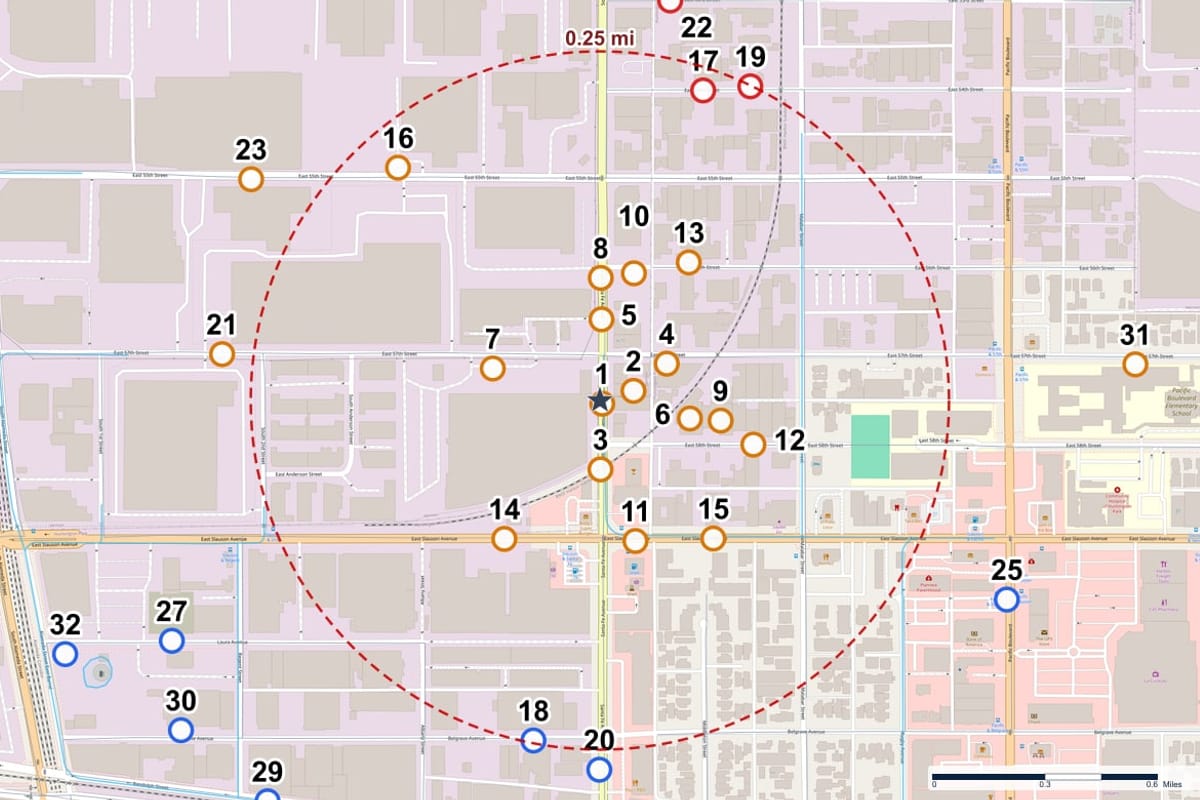
A records search cannot measure vapors. It can show listed locations near the property where vapor-forming substances were used or released. Common examples:
- Leaking underground storage tank (LUST) records and petroleum release sites.
- Dry cleaners and other solvent users.
- Hazardous waste generator records for industrial and commercial operations.
- Superfund (NPL) and state cleanup sites.
What matters for each is its status (open, under cleanup or closed), what was released, and how close it is to the property. A closed case is not automatically clean, and an open case nearby is a question to ask, not a conclusion.
What a records report does and does not tell you
A Geoscope report maps nearby records and states what the source database reports for each. It does not sample soil, groundwater, soil gas or indoor air, it does not model how vapors would move, and it does not say whether vapor intrusion is occurring. Those questions need an environmental professional and, where warranted, sampling.
What to do
- Review the records near the property for petroleum and solvent sources, starting with the closest.
- Ask the seller for any earlier environmental reports and for the history of the buildings and uses on site.
- If a relevant source is close, ask an environmental professional whether vapor screening is warranted before closing.
- For new construction, ask whether a vapor barrier or mitigation system is planned.
This article is general information, not a health or legal opinion.
Related
Ready to screen a property?
A Geoscope Government Records Report is your fast first step: database screening across 1,500+ sources, GIS-mapped results, delivered in 24 hours for $79.
View Pricing & Order →